Key takeaways
BOLA is still the baseline test
Broken object-level authorization remains the most dependable API class because teams often validate session presence but forget to validate ownership. That mistake scales with product complexity.
Testing needs multiple identities, real object references, and a clean record of which object transitions should never be possible.
Mass assignment and hidden trust
The more modern risk is hidden field trust. Applications accept fields the UI never exposes, trust role or pricing hints from the client, or merge user payloads directly into server-side models.
These bugs survive because happy-path manual testing rarely mutates fields the UI does not show.
- Unexpected writable fields.
- Role or plan changes hidden in payloads.
- State transitions that bypass approval steps.
- Cross-tenant object references accepted silently.
How CyberMind should make this easier
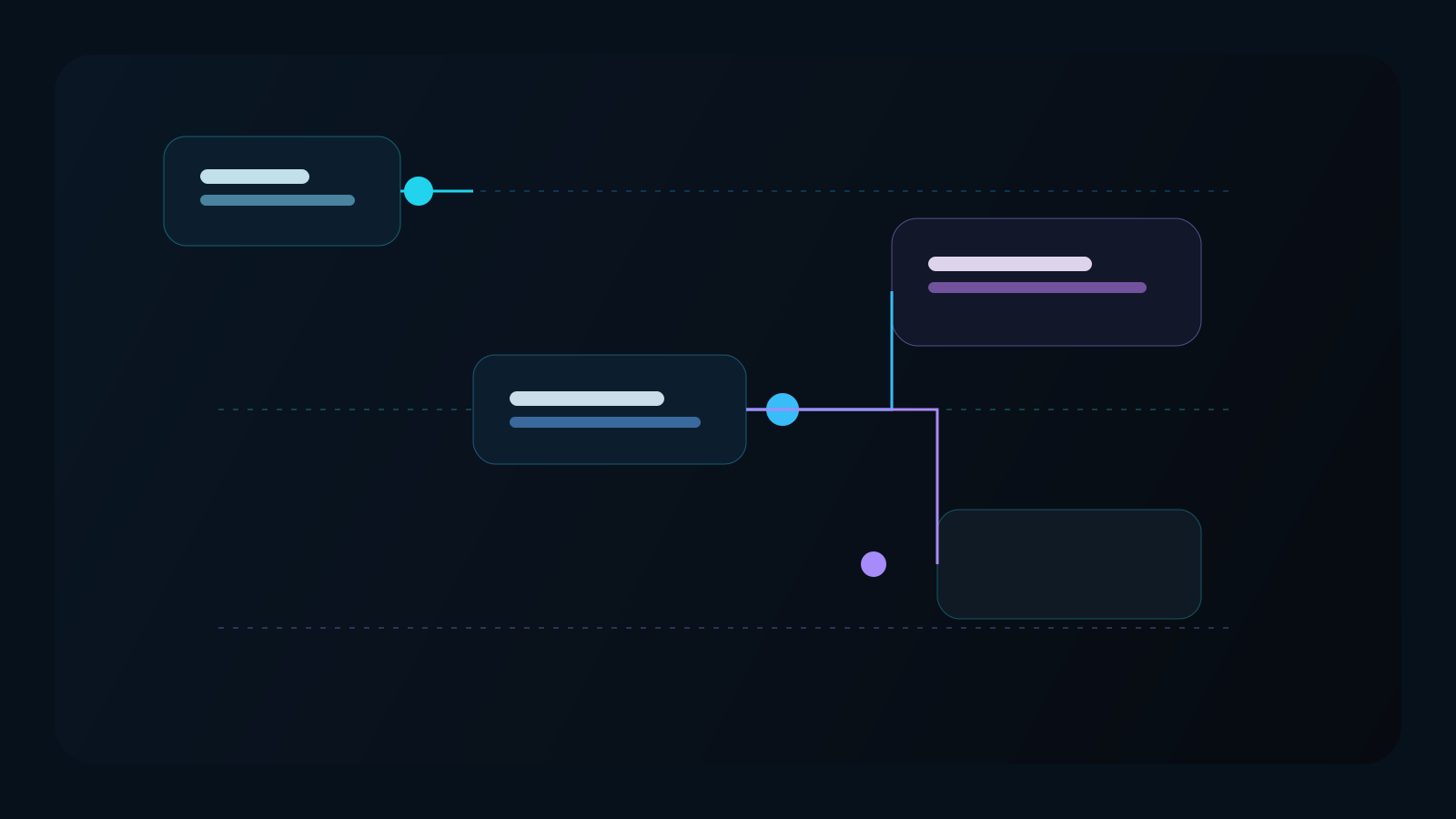
A strong API testing experience should cluster endpoints by resource, infer likely state machines, and suggest the most meaningful identity and mutation tests. That is much more valuable than just replaying requests blindly.
The product should also generate a compact diff of responses between roles so the operator immediately sees boundary drift.
Identity-based route pack idea
cybermind /api-map target.com
cybermind /api-test users --compare user,manager,admin
cybermind /api-mutate billing --hidden-fields
cybermind /verify --latest
The feature gap still worth closing
Most tools help you discover endpoints. Fewer help you understand workflow intent. The opportunity is to let CyberMind infer probable state machines and recommend the next three high-value permission tests automatically.
That would be a meaningful moat for both the CLI and the extension.