Key takeaways
What already works well
The extension has the right initial shape: specialized agents, inline security diagnostics, file-diff approval, and repo-aware context. Those are materially better hooks than generic side-panel chat.
The security angle is especially strong because it changes the mental model from assistant to workflow partner. Users understand the value immediately when diagnostics show up where code lives.
- Security scanning as an editor-native experience.
- Real file editing with explicit review.
- Agent framing that makes tasks feel intentional.
What would make the extension powerful enough to spread faster
The next gains come from tighter loops, not more buttons. Users need fast time-to-value in the first session, visible proof that the system understands the repo, and a reason to return the next day.
That means the extension should generate a project brief automatically, detect likely risk areas, propose the first three high-value actions, and remember what it changed previously.
- Auto project map on first open.
- Trust center showing changed files, commands run, and reasoning summary.
- Saved missions like harden auth, prep release, or scan API boundaries.
- Aegis-backed deep security runs triggered from the editor when appropriate.
Retention features I would prioritize
If I were pushing this toward breakout usage, I would add repo memory, issue-to-code workflows, and team playback. The extension should remember how the repo is structured, convert tickets into plans, and let teammates replay the exact reasoning and diffs later.
That combination creates habit. People return when the product remembers context and shortens repeat work.
High-value extension workflow
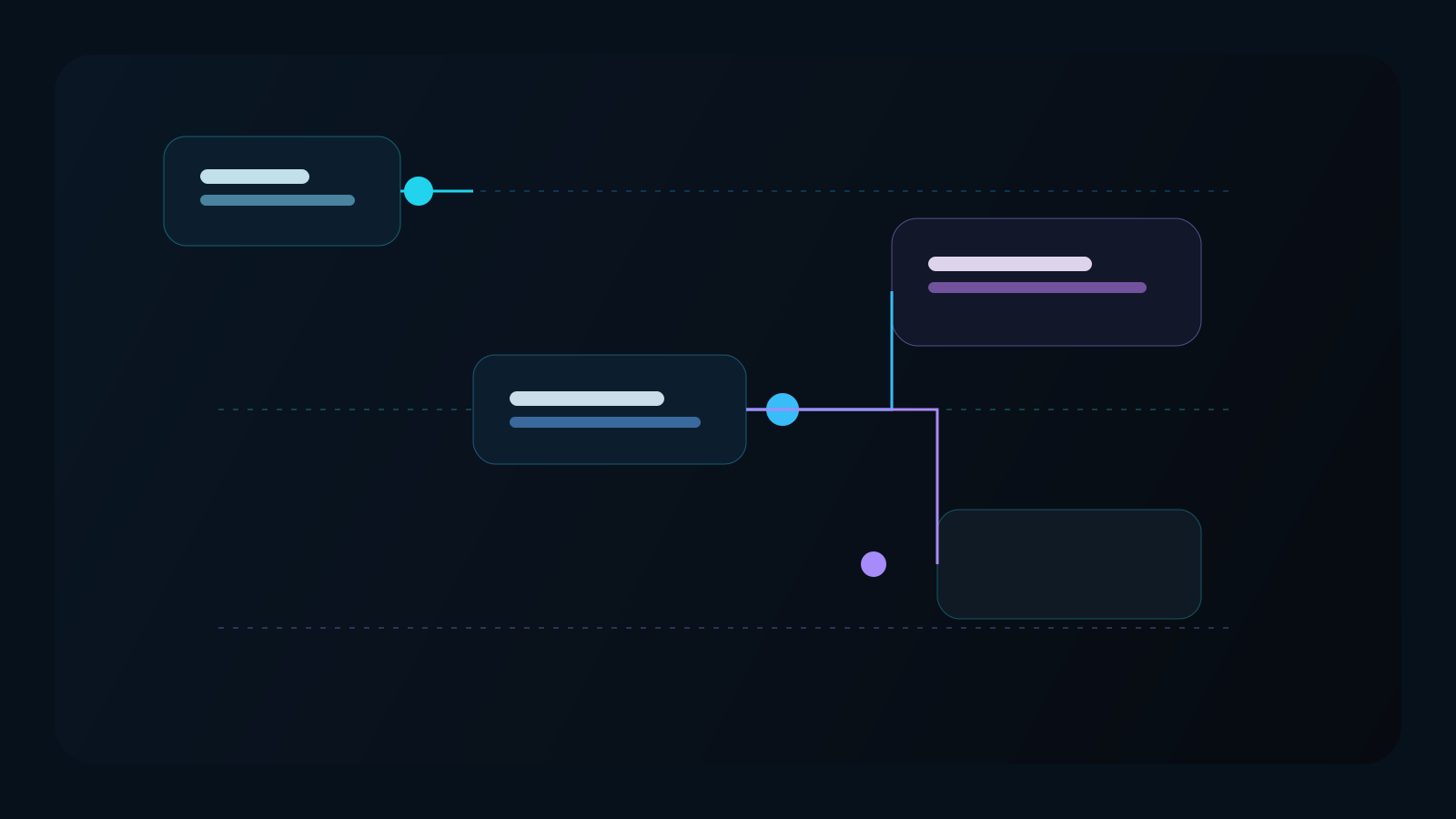
Open repo -> auto map -> choose mission -> planner proposes diff set -> operator reviews -> extension applies -> security pass -> share run summaryWhat not to do
Do not bloat the UI with weak agents that overlap. Do not promise fully autonomous repo changes without clear review controls. And do not copy the same feature sheet every AI extension already claims.
The winning story is narrower and stronger: CyberMind is the security-aware operator console inside the editor.