Key takeaways
Why SSRF is still common
Applications keep adding server-side fetch behavior: URL preview generation, document import, image proxying, feed syncing, webhook verification, and AI summarization. Every one of those features can become an SSRF route if validation is weak.
In cloud-heavy systems, SSRF impact is often larger because internal control planes and metadata services sit one hop away.
The cloud metadata problem
Metadata endpoints remain a central concern because they can expose temporary credentials, identity information, and infrastructure context. Even when direct metadata access is blocked, internal service discovery and lateral trust can still produce strong impact.
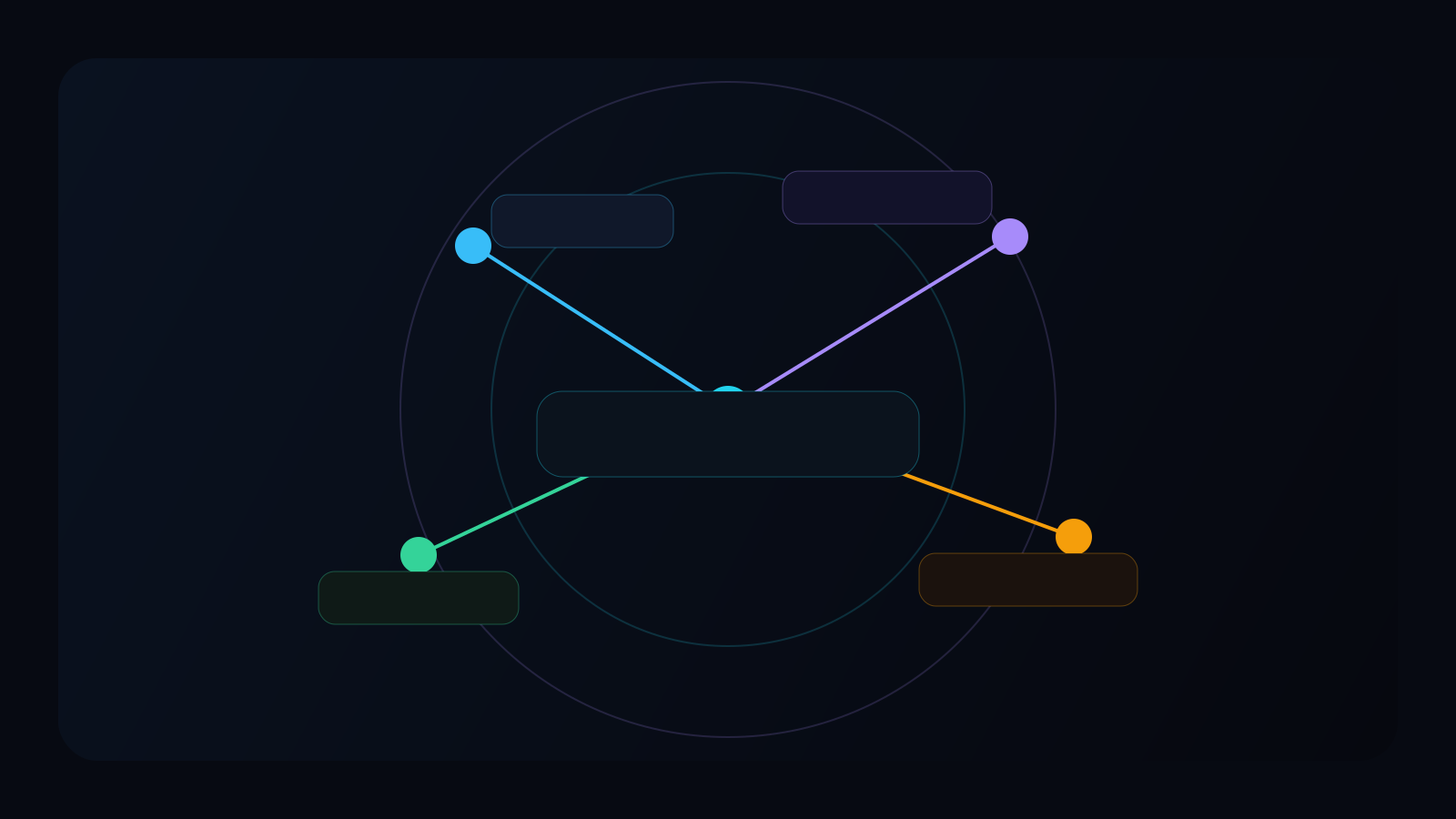
That means the goal is not only to hit one IP. It is to map what the application can reach that the attacker normally cannot.
Blind SSRF needs better ergonomics
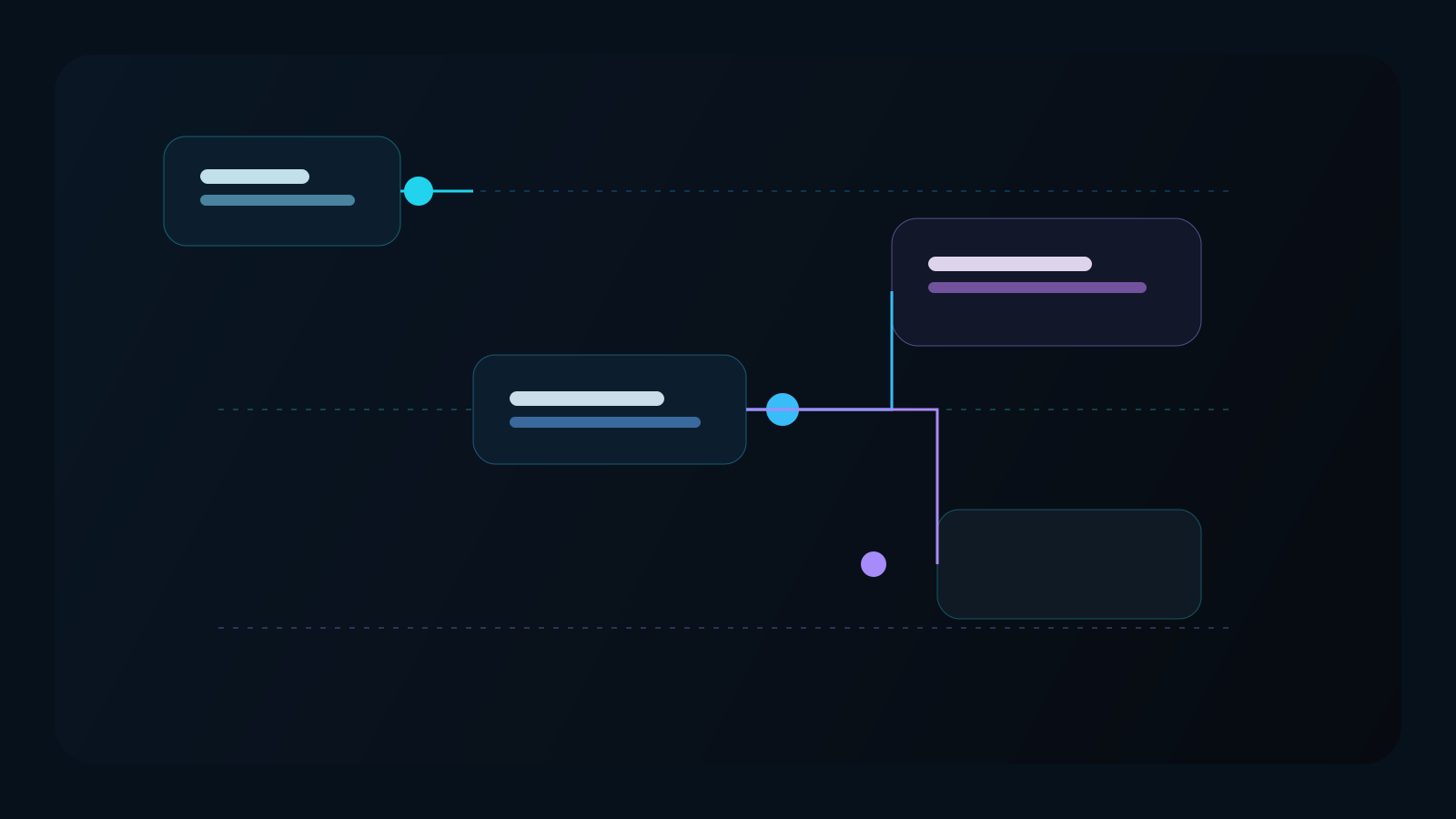
Many SSRF routes are indirect. The request happens asynchronously, through a queue, or via an integration the user never sees directly. That is why out-of-band checks and evidence capture are so important.
CyberMind should make blind SSRF testing feel structured, not ad hoc.
- Track OOB events with branch context.
- Attach the triggering request automatically.
- Score confidence by timing, callback type, and repetition.
- Generate a clear impact summary once internal reachability is proven.
Future feature worth adding
A useful next feature is fetch-path classification. If CyberMind can identify every server-side fetch surface in an app and group them by likely trust level, users will find SSRF routes faster and with much less manual digging.