Key takeaways
The surface map comes before the scanner storm
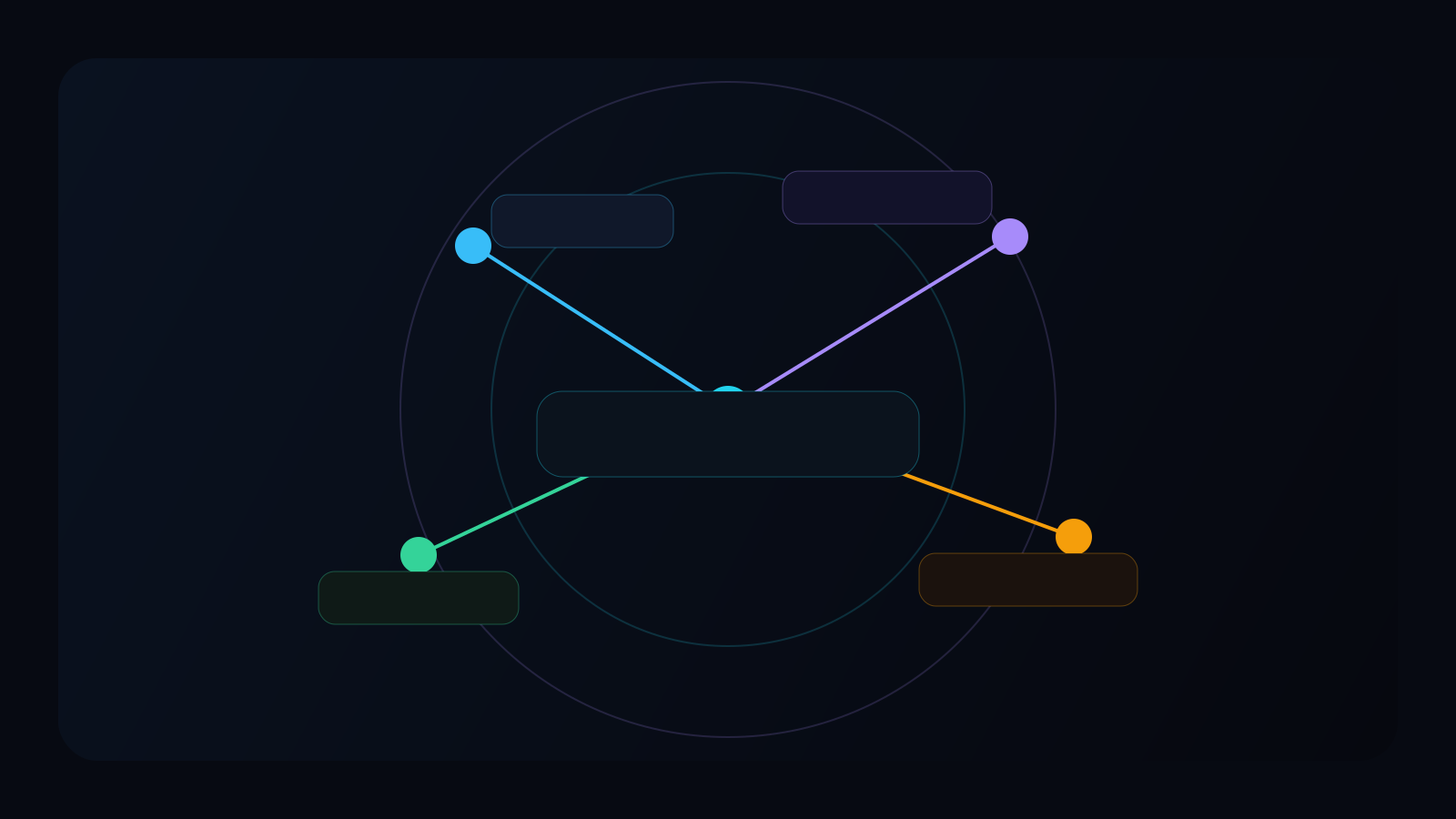
Most low-maturity recon workflows collect everything and understand nothing. Mature recon starts by building a model of the target: asset types, likely ownership, edge stacks, API concentrations, admin surfaces, and third-party dependencies.
That model is what lets you stop wasting time on duplicate infrastructure and low-value mirrors.
Good recon asks better questions
Instead of asking how many subdomains exist, ask which assets are unusual. Which services expose non-standard headers, inconsistent auth, odd redirects, stale panels, or mismatched CSP and cache behavior? Those are the assets more likely to produce a finding.
That is why clustering and anomaly scoring should be first-class product features.
The handoff into deeper work
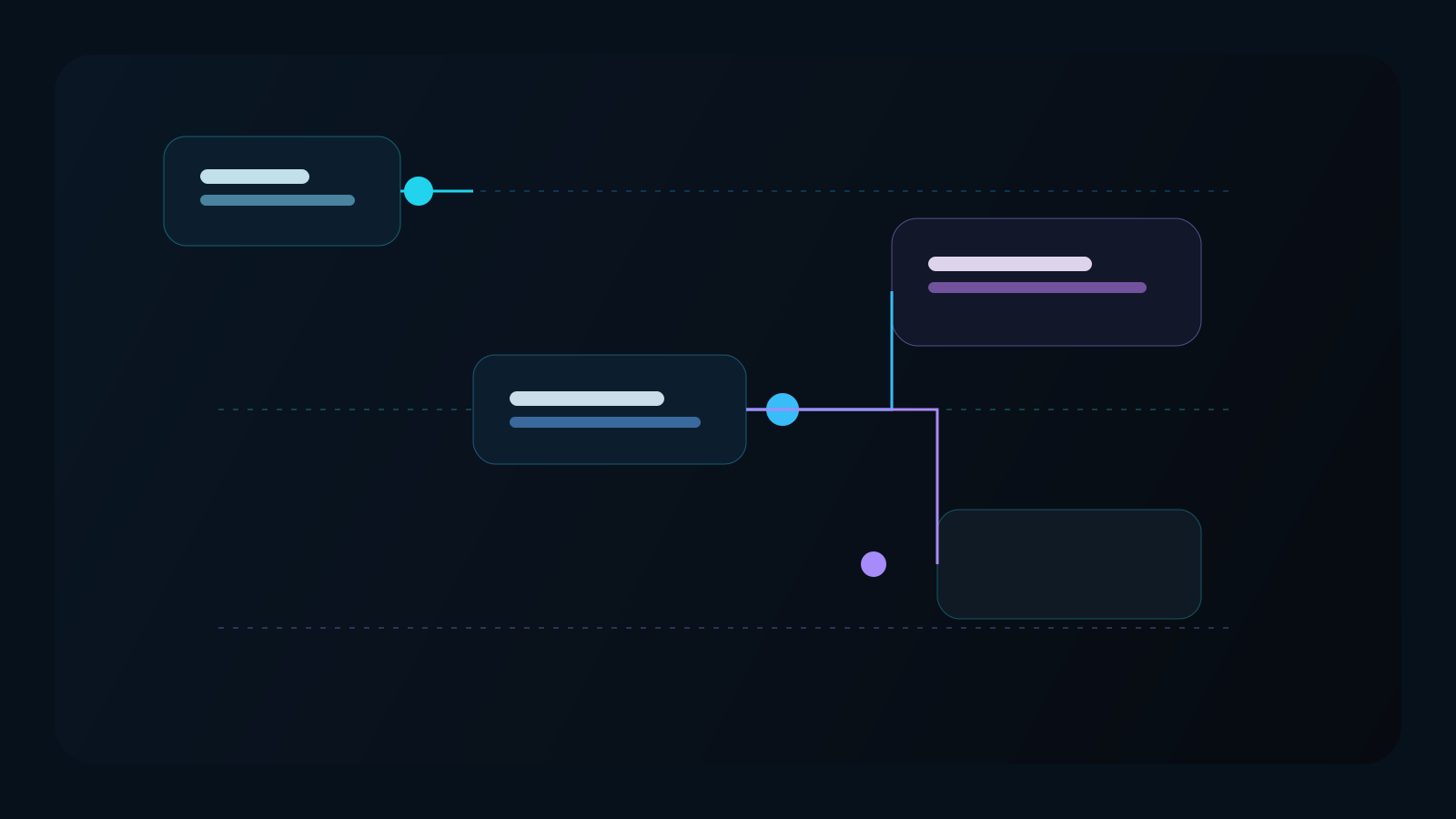
Recon should produce a list of branches, not a giant output directory nobody reads. Each branch should have a hypothesis, evidence, and a recommended next action. That makes the transition into hunt, Aegis, or manual review far cleaner.
Without that handoff, recon becomes expensive decoration.
Desired recon output shape
Branch: auth-api-drift
Evidence: mixed 401/200 responses across tenant objects
Next action: boundary testing
Confidence: 0.78

Branch: cache-edge-anomaly
Evidence: inconsistent Vary and X-Forwarded handling
Next action: smuggling and cache tests
Confidence: 0.72
What to add next
For CyberMind, the next strong feature is recon memory with diffing. Users should be able to see what changed since the last run, which assets are new, and which branches gained or lost confidence.
That creates a compounding surface map instead of a disposable scan.